Definition
A concussion is an injury to the brain that results in temporary loss of normal brain function. Medically, it is defined as a clinical syndrome characterized by immediate and transient alteration in brain function, including alteration of mental status or level of consciousness, that results from mechanical force or trauma.
Causes
Concussions can be caused by direct trauma to the head, such as from falling, getting hit or being in an accident. They can also occur as a result of rapid acceleration-deceleration of the head, such as in whiplash injuries or blast injuries, like in a war zone. Many people assume that concussions involve passing out or a loss of consciousness, but this is not true. In many cases, people with a concussion never lose consciousness. In several cases, external signs of head trauma, such as bleeding, may also be absent.
Symptoms
A concussion can affect memory, judgment, reflexes, speech, balance and muscle coordination. People with concussions often report a brief period of amnesia or forgetfulness, where they cannot remember what happened immediately before or after the injury. They may act confused, dazed or describe “seeing stars.” Paramedics and athletic trainers who suspect a person has suffered a concussion may ask the injured person if they know their name, what month/year it is and where they are.
Even mild concussions should not be taken lightly. Neurosurgeons and other brain injury experts emphasize that although some concussions are less serious than others, there is no such thing as a minor concussion. In most cases, a single concussion should not cause permanent damage. A second concussion soon after the first one does not have to be very strong for its effects to be permanently disabling.
Common Symptoms of Concussion
- Confusion
- Headache
- Vision disturbances (double or blurry vision)
- Dizziness or imbalance
- Nausea or vomiting
- Memory loss
- Ringing ears
- Difficulty concentrating
- Sensitivity to light
- Loss of smell or taste
- Trouble falling asleep
When to Seek Medical Care
Most people will recover quickly and completely following a concussion. Some people can have symptoms that last for several weeks before gradually getting better. Seek immediate medical attention if:
- Headache is worse or does not go away Slurred speech, weakness, numbness or decreased coordination
- Significant nausea or repeated vomiting
- Seizures
- Loss of consciousness
- Inability to wake up
- Symptoms have worsened at any time
- Symptoms have not gone away after 10-14 days
- History of multiple concussions
Preserved skills
Many important skills are preserved for longer periods even while symptoms worsen. Preserved skills may include reading or listening to books, telling stories and reminiscing, singing, listening to music, dancing, drawing, or doing crafts.
These skills may be preserved longer because they are controlled by parts of the brain affected later in the course of the disease.
Testing and Diagnosis
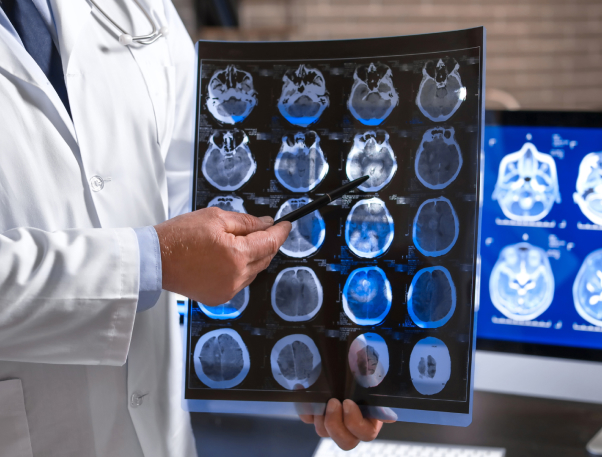
Brain imaging studies with MRI and CT scans should not be performed routinely in the diagnosis of concussions. They typically do not show any significant changes and, with CT scans, expose individuals to unnecessary radiation. While such tests are more useful for identifying structural defects, an injury from concussion is metabolic and microscopic in nature that often presents normally on neuroimaging.
The doctor asks a variety of questions about how the injury occurred, where on the head and what symptoms are shown. The patient should report any unusual experiences to the health care provider.
Prevalence and Incidence
According to the Centers for Disease Control and Prevention (CDC) surveillance report of traumatic brain injuries, about 2.87 million TBI-related ED visits, hospitalizations and deaths occurred in the United States in 2014. Each year, more than 800,000 children are treated for TBI at emergency departments in the U.S. The highest incidence of TBI occurred in people over the age of 75, children aged 0-4 years and individuals aged 15-24 years.
University of Pittsburgh’s Brain Trauma Research Center reports more than 300,000 sports-related concussions occur annually in the U.S. Additionally, the likelihood of suffering a concussion while playing a contact sport is estimated to be as high as 19% per year of play; in other words, almost all athletes of contact sports suffer from a concussion within five years of participation. It has been reported that more than 62,000 concussions are sustained each year in high school contact sports. Among college football players, 34% have had one concussion and 20% have endured multiple concussions. Estimates show that 4-20% of college and high school football players sustain a brain injury over the course of one season. The risk of concussion in football is three to six times higher in players who have had a previous concussion.
A study conducted by McGill University in Montreal found that 60% of college soccer players reported symptoms of a concussion at least once during the season. The study also reveals that concussion rates in soccer players were comparable to those in football. According to this study, athletes who suffered a concussion were four to six times more likely to suffer a second concussion. Research such as this has led to greater interest in developing protective headgear for soccer participants, but it is not clear that such headgear actually reduces the risk of concussion.
Treatment
Concussion symptoms can affect people in a variety of ways, including vision, balance and even mood. Historically, the standard treatment for concussion was to get plenty of rest. However, newer approaches involve therapy to target specific symptoms. Clinics exist that help determine the most affected system and appropriate therapy for a given symptomology. In addition, a thorough medical examination may be needed before returning to sports or activities with the potential for contact or further head injury.
Complications
Following a concussion, some people may suffer persisting symptoms, such as memory and concentration problems, mood swings, personality changes, headache, fatigue, dizziness, insomnia and excessive drowsiness for several weeks to months. This is known as post-concussive syndrome. Patients with post-concussive syndrome should avoid activities that put them at risk for a repeated concussion. Athletes should not return to play while experiencing these symptoms. Athletes who suffer repeated concussions should consider ending participation in the sport.
Second impact syndrome results from acute and often fatal brain swelling that occurs when a second concussion is sustained before complete recovery from a previous concussion. The impact is thought to cause vascular congestion and increased intracranial pressure, which can occur very rapidly and may be difficult or impossible to control. The risk of second-impact syndrome is higher in sports like boxing, football, ice or roller hockey, soccer, baseball, basketball and skiing. The CDC reports an average of 1.5 deaths per year from sports concussions. In most cases, a concussion, usually undiagnosed, had occurred prior to the final one.
How Can I Prevent Future Injury?
The best way to prevent subsequent concussion is to allow full recovery from any injury before resuming activities that are risky. Full recovery means there are no symptoms with any activity, whether academic, work-related, during leisure activities, or during sports. Use any recommended safety equipment appropriately, ensure all coaches are fully trained in concussion avoidance, identification, and treatment, and know your personal concussion history. Stop participating in sports or leisure activities if there is any indication of potential injury to the head or neck, and seek medical attention.