Depression is more than just feeling down or having a bad day. When a sad mood lasts for a long time and interferes with normal, everyday functioning, you may be depressed.

We Are Open and Offering Appointments! To Book Your Appointment Please Click Here. SHOP SALE 

Your Guide to Parkinson's Disease
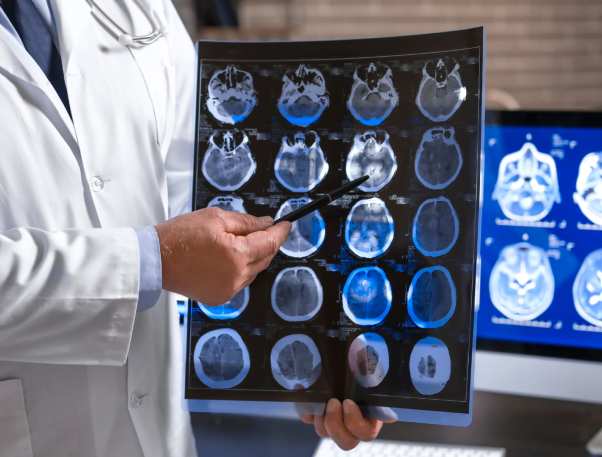
Parkinson’s disease is an age-related degenerative brain condition, meaning it causes parts of your brain to deteriorate. It’s best known for causing slowed movements, tremors, balance problems and more.
The risk of developing Parkinson’s disease naturally increases with age, and the average age at which it starts is 60 years old. It’s slightly more common in men or people designated male at birth (DMAB) than in women or people designated female at birth (DFAB).
While Parkinson’s disease is usually age-related, it can happen in adults as young as 20 (though this is extremely rare, and often people have a parent, full sibling or child with the same condition).
Although Parkinson’s disease can’t be cured, medications might significantly improve your symptoms. Occasionally, your health care provider may suggest surgery to regulate certain regions of your brain and improve your symptoms.
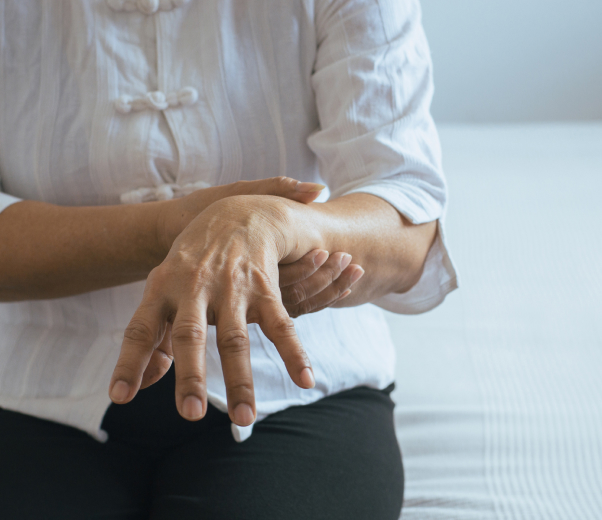
Parkinson’s disease is a progressive disorder that affects the nervous system and the parts of the body controlled by the nerves. Symptoms start slowly. The first symptom may be a barely noticeable tremor in just one hand. Tremors are common, but the disorder may also cause stiffness or slowing of movement.
In the early stages of Parkinson’s disease, your face may show little or no expression. Your arms may not swing when you walk. Your speech may become soft or slurred. Parkinson’s disease symptoms worsen as your condition progresses over time.
Parkinson’s disease signs and symptoms can be different for everyone. Early signs may be mild and go unnoticed. Symptoms often begin on one side of the body and usually remain worse on that side, even after symptoms begin to affect the limbs on both sides.
See your health care provider if you have any of the symptoms associated with Parkinson’s disease — not only to diagnose your condition but also to rule out other causes for your symptoms.
In Parkinson’s disease, certain nerve cells (neurons) in the brain gradually break down or die. Many of the symptoms are due to a loss of neurons that produce a chemical messenger in your brain called dopamine. When dopamine levels decrease, it causes atypical brain activity, leading to impaired movement and other symptoms of Parkinson’s disease.
The cause of Parkinson’s disease is unknown, but several factors appear to play a role, including:
Genes. Researchers have identified specific genetic changes that can cause Parkinson’s disease. But these are uncommon except in rare cases with many family members affected by Parkinson’s disease.
However, certain gene variations appear to increase the risk of Parkinson’s disease but with a relatively small risk of Parkinson’s disease for each of these genetic markers.
Environmental triggers. Exposure to certain toxins or environmental factors may increase the risk of later Parkinson’s disease, but the risk is small.
Researchers have also noted that many changes occur in the brains of people with Parkinson’s disease, although it’s not clear why these changes occur. These changes include:
The presence of Lewy bodies. Clumps of specific substances within brain cells are microscopic markers of Parkinson’s disease. These are called Lewy bodies, and researchers believe these Lewy bodies hold an important clue to the cause of Parkinson’s disease.
Alpha-synuclein found within Lewy bodies. Although many substances are found within Lewy bodies, scientists believe an important one is the natural and widespread protein called alpha-synuclein (a-synuclein). It’s found in all Lewy bodies in a clumped form that cells can’t break down. This is currently an important focus among Parkinson’s disease researchers.
Risk factors for Parkinson’s disease include:
Parkinson’s disease is often accompanied by these additional problems, which may be treatable:
Because the cause of Parkinson’s is unknown, there are no proven ways to prevent the disease.
Some research has shown that regular aerobic exercise might reduce the risk of Parkinson’s disease.
Some other research has shown that people who consume caffeine — which is found in coffee, tea and cola — get Parkinson’s disease less often than those who don’t drink it. Green tea is also related to a reduced risk of developing Parkinson’s disease. However, it is still not known whether caffeine protects against getting Parkinson’s or is related in some other way. Currently there is not enough evidence to suggest that drinking caffeinated beverages protects against Parkinson’s.
Join Our Newsletter
Get updates on the latest products and clinical studies.

© 2022 CerebralFit. All Rights Reserved.